WatchBox: Watch Collector Game
Yellow UmbrellaCard
4.866.00 Reviews
- Version
- 138.0.0
- Installs
- 10.00K
- Age Rating
- Everyone
Screenshots
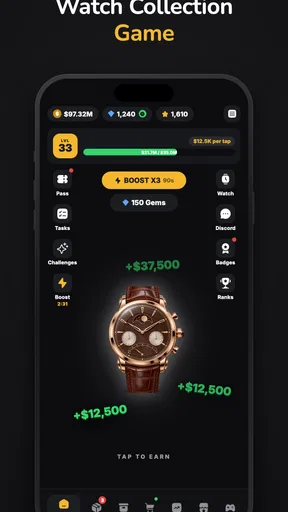
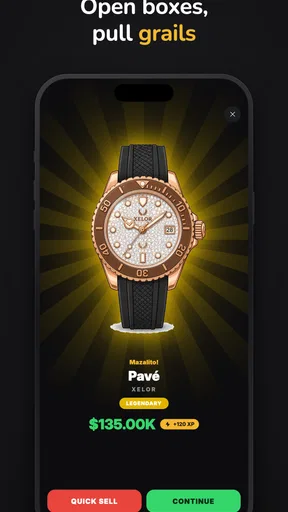
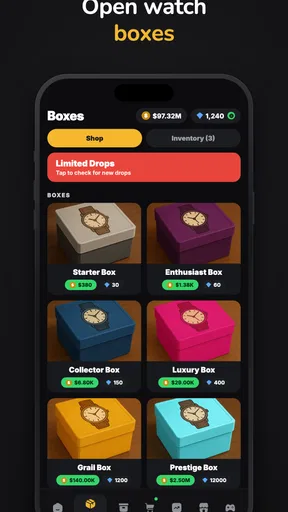
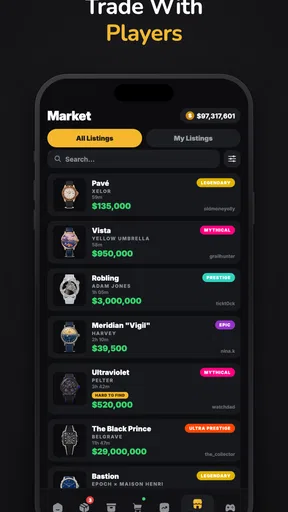
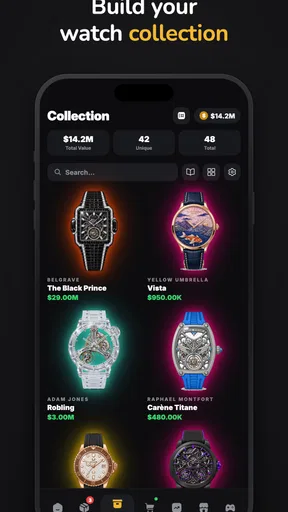
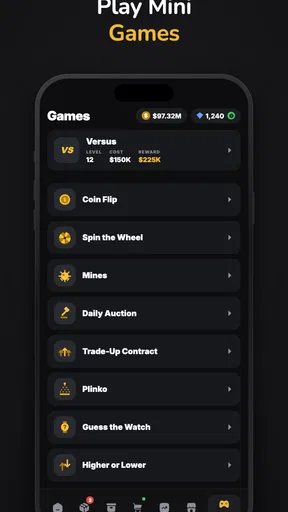
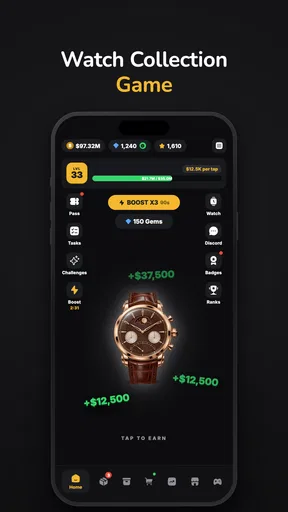
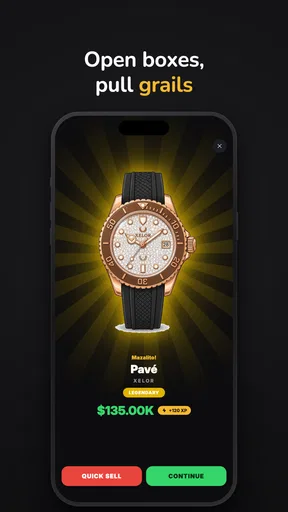
Our Review of WatchBox: Watch Collector Game
 Analysis by Appyee
I approached WatchBox: Watch Collector Game expecting a quiet card game built around collecting, and that is exactly where its appeal lies. Instead of pushing me into a fast match or asking me to master a complicated rule set, it gives the hobby a visual focus: building a watch collection through a card-based experience. The store summary, “Build your watch collection!”, is brief, but it points to the central reason to try it. This is a game for people who enjoy browsing, choosing, and gradually making a collection feel personal.
It is available as a free game from Yellow Umbrella, with an Everyone age rating, so it is easy to approach if you want something casual rather than an intense competitive title. The current version is 138.0.0, and it runs on Android 7.0 or later. I would not describe it as a replacement for a deep strategy card battler. Its strength is the collecting theme and the small sense of progress that comes from deciding what belongs in your virtual display.
What the first few minutes feel like
The most useful way to understand this game is to think of it as a collection-focused card experience rather than a conventional card table. The watch theme gives every decision a clear identity. You are not simply gathering anonymous cards for the sake of filling a meter; you are working toward a collection with a recognizable subject and visual personality.
That makes the game especially suitable for short sessions. I can imagine opening it while waiting for an appointment, taking a look at the available choices, making one or two collection decisions, and closing it without feeling that I abandoned a long match. It also works for a player who likes returning to a game repeatedly, because the motivation comes from seeing the collection develop over time rather than from completing one dramatic round.
The audience is fairly specific. If you enjoy watches, catalog-style hobbies, card collecting, or games where gradual accumulation is more important than reflexes, the concept should feel natural. If you mainly play card games for bluffing, deck construction, or head-to-head tactics, the collecting angle may feel too gentle. I would also skip it if you want a story-driven adventure or a large multiplayer battlefield. WatchBox is much more focused than that.
The strong public response is encouraging: it holds a 4.8 average from around 1.2 thousand ratings, with roughly 66 written reviews and over 10 thousand installs. Those figures suggest that the simple collecting idea is connecting with a real audience, although they should not be mistaken for proof that every player will enjoy the same pace. A hobby game can be well liked and still be the wrong fit for someone who needs constant action.
Getting oriented without overthinking the collection
On a first launch, my advice is to resist the urge to treat every early choice as permanent or precious. The best first objective is not to create a perfect collection immediately. It is to understand how the game presents its cards and what kind of decisions it expects from you. Look at the visual differences between the available watches, notice how the collection is organized, and pay attention to what the game considers progress.
This approach matters because collection games can create unnecessary anxiety. A new player may assume that choosing one item means losing another forever, or that an early decision will ruin the entire account. Unless you already understand the game’s flow, it is more productive to learn the rhythm first. Make a straightforward choice, see what changes, and use that result to guide the next one.
I also recommend spending a little time simply examining the interface before trying to optimize anything. In a watch-themed game, presentation is part of the enjoyment. A card may appeal because of its design, its place in your growing set, or the way it balances the rest of your collection. That is a different mindset from selecting a card only because it has the strongest combat value.
For a first-time user, the reassuring part is that the premise is easy to explain: collect watches through cards and gradually shape the set. You do not need prior knowledge of watchmaking, nor do you need to understand a complex genre vocabulary before starting. The theme provides the context, while the card format gives you a familiar way to interact with it.
The first meaningful success
I consider the first meaningful success to be the moment when a choice visibly improves the collection rather than merely advancing a screen. That might mean adding a watch that gives the set a stronger visual identity, filling an early gap, or making the collection feel more deliberate than it did at the start. The important part is recognizing that progress is not only about speed. It is also about making the collection look and feel like something you chose.
A practical beginner workflow is simple. First, inspect what is available. Next, choose the item that best fits the direction you want to explore instead of automatically taking the first option. Then, return to the collection view and check what changed. Finally, pause before the next decision and ask whether you are building around a preference or merely reacting to the latest card.
That last step is more valuable than it sounds. Collection games often become more satisfying when the player develops a personal rule. You might prefer a visually consistent set, collect pieces that feel unusual, or focus on variety. I would not force a supposedly optimal route at the beginning. Creating your own collecting style gives the game a reason to remain interesting after the novelty of the first few cards fades.
One non-obvious benefit of this approach is that it turns a very small session into a complete activity. You do not need to play for a long time to feel that you accomplished something. A single thoughtful addition can be enough, especially when you return later and immediately recognize the direction your collection is taking.
Where new players may become confused
The main possible source of confusion is the difference between a card game and a collection game. Players arriving from battle-oriented card apps may instinctively search for attack values, opponents, combos, or a competitive ladder. That expectation can make the opening feel slower than it really is. I found it more helpful to judge each screen by its contribution to the collection, not by whether it resembles a traditional card match.
Another common mistake is treating every available item as equally important. A collection is not automatically better because it grows quickly. If you accept everything without looking at the overall set, you may end up with a group that feels random. On the other hand, being too selective can make the early experience feel needlessly restrictive. The useful middle ground is to make a few relaxed choices, observe the result, and then decide whether you want a theme.
Players should also keep the free-to-play structure in mind. The game is free to download and play, but in-app purchases range from $2.99 to $69.99 per item. That does not make the game unsuitable, but it does mean I would approach optional spending carefully. I would play long enough to understand what I enjoy before buying anything. In a collecting game, the desire to complete a set can make an offer feel more urgent than it really is.
My own rule would be to treat purchases as a convenience or a personal extra, never as something required to validate the collection. If the free experience already gives you enjoyment, keep using it that way. If you later decide to spend, set a limit before browsing offers. This is particularly sensible for younger players, even though the game is rated Everyone.
There is also a psychological trade-off in collecting themes. The satisfaction of seeing a set grow can be calming, but it can also encourage completionism. If you notice yourself checking repeatedly only because you feel you must finish everything, take a break and return when the activity feels enjoyable again. The game works best as a hobby, not as a task list.
How it compares with familiar card alternatives
Compared with competitive card games, WatchBox places less pressure on performance. You are not entering a battle where another player’s strategy determines whether your session succeeds. That makes it a better choice for winding down, browsing a themed collection, or giving a card game to someone who dislikes losing matches.
Compared with ordinary digital card collectors, its watch focus gives it a narrower but more distinctive identity. A general card game can offer broader variety, while this one benefits from committing to a single subject. If watches mean nothing to you, that specialization may limit the appeal. If you already enjoy watch designs or collecting objects by style, the same specialization is exactly what makes it memorable.
It also differs from a spreadsheet-style catalog or a real-world collection tracker. Those tools may be better for recording items you physically own, comparing prices, or managing detailed information. This is a game, so its value comes from interaction and progression rather than practical inventory management. I would use a dedicated cataloging tool for real purchases and WatchBox for the lighter pleasure of building a virtual set.
That distinction helps answer an important question: is this for serious watch collectors? I would say it can be enjoyable for enthusiasts as a themed side activity, but it should not be treated as a technical reference or a substitute for researching actual watches. Its job is to make collecting playful and accessible, not to replace specialist knowledge.
A realistic everyday session
Imagine having ten minutes before leaving for work. You open the game, review the current collection, and look at the available card choices. Rather than trying to complete everything, you select one piece that fits the visual direction you have started. You check the updated set, notice that the new addition changes the balance, and decide whether to continue or stop there.
That is a good use case because the session has a clear beginning and end. You are not committing to a long campaign, and you do not need a quiet evening to enjoy the central loop. The same pattern could work during a commute break, after dinner, or while taking a short rest from a more demanding game.
For a family setting, the Everyone rating makes the theme approachable, but I would still explain the purchase system before handing the device to a child. The game’s subject is harmless and easy to discuss, yet optional items can change how different players approach collecting. Agreeing on a spending rule in advance avoids turning a relaxed activity into an argument.
Tips for making the collection feel personal
My first practical tip is to choose a direction early, but keep it flexible. You might begin by favoring a certain appearance or variety, then change your mind after seeing more cards. A loose theme gives your decisions meaning without turning the game into a rigid optimization exercise.
Second, take screenshots or simply pause to look at the collection after a few additions. This sounds basic, but it helps you notice whether you actually like the set you are building. The immediate reward of obtaining a new card can distract from the larger picture. Stepping back turns collecting into curation.
Third, separate curiosity from urgency. If a card catches your attention, ask whether you want it because it suits your collection or because it appears briefly and creates pressure. That distinction is especially useful when optional purchases are involved. Waiting until you understand your preferences usually leads to more satisfying decisions.
Fourth, use short sessions deliberately. A game like this can lose some of its charm if you force yourself to keep playing after you have made the decision you wanted to make. Ending on a satisfying addition gives you a reason to return, while endless checking can make the collection feel like maintenance.
Finally, compare the collection to your own taste rather than someone else’s. There is no benefit in building a set that looks impressive to another player if you do not enjoy looking at it yourself. The personal element is one of the strongest reasons to choose this game over a more generic card title.
Who should try it, and who should skip it
I would recommend it to casual players who like collecting, visual themes, and low-pressure progress. It is also a sensible pick for someone who wants a card game that can be understood quickly and played in small portions. Watch enthusiasts may appreciate the subject, while newcomers can enjoy the idea without needing specialist knowledge.
I would be more cautious about recommending it to players who need constant novelty, deep tactical combat, or a strong narrative. The focused theme is an advantage only if you like the theme. Likewise, anyone who dislikes in-app purchase structures should decide in advance whether the free portion is enough for them and avoid browsing optional offers unnecessarily.
Device compatibility is fairly broad because the game supports Android 7.0 and later. That makes it accessible on older compatible phones, although the experience will still depend on the condition and screen quality of the device. Since the appeal is partly visual, a very small or damaged display could reduce the pleasure of examining the cards and collection.
My recommendation after settling into the loop
After looking at the game as a whole, I see its best quality in its clarity. Yellow Umbrella has chosen a distinct subject and built the experience around the pleasure of collecting rather than trying to imitate every kind of card game at once. That focus makes it easy to recommend to the right person, even though it also makes the audience narrower.
The free entry point is useful because you can discover whether the collecting rhythm suits you before spending anything. I would begin with a personal rule: play through the early experience, decide what kind of collection you want, and only then consider whether an optional purchase adds genuine enjoyment. The price range for individual in-app items makes that pause worthwhile.
My final view is positive, with a clear condition. This is a relaxed watch-collecting hobby in card-game form, not a competitive card battler. If that distinction sounds appealing, the game offers an approachable way to build a virtual collection at your own pace. If you want battles, elaborate strategy, or a story, another card game will probably serve you better.
For me, the best way to play is to treat each session as a small act of curation: inspect what is available, make one choice that reflects my taste, look at the result, and stop while the collection still feels inviting. That keeps the experience personal and avoids the pressure to chase every possible addition. In that role, WatchBox: Watch Collector Game is a pleasant choice for a first-time player who wants a simple, themed collecting game rather than another demanding daily obligation.
Verdict
Strengths of WatchBox: Watch Collector Game
- Large catalog makes collecting new watches feel rewarding.
- Simple controls make it easy to play during short breaks.
- Visual designs are detailed and appealing to watch enthusiasts.
- Collection goals provide steady motivation beyond the first sessions.
- Light strategy elements add variety to the collecting gameplay.
Limitations of WatchBox: Watch Collector Game
- Progress may feel slow without frequent play or optional purchases.
- Some rewards can depend heavily on random outcomes.
- The game may become repetitive after completing many collection goals.
- Advanced watch details may be limited for serious collectors.
- Notifications and promotional offers can become distracting.
Similar Picks in This Category
View All
Solitaire - Classic Card Games
MobilityWare4.6

UNO!™
Mattel163 Limited4.3

Spider Solitaire: Card Games
MobilityWare4.6

Solitaire.com - Classic Cards
Tripledot Studios Limited4.7

Plants vs. Zombies™ Heroes
ELECTRONIC ARTS4.1

Hearthstone
Blizzard Entertainment, Inc.4.1
Frequently Asked Questions
What is WatchBox: Watch Collector Game?
WatchBox: Watch Collector Game is a casual collecting and management game centered on discovering, organizing, and expanding a virtual watch collection. Players can obtain different watch models, improve their collection, and enjoy the satisfaction of completing sets. Its appeal comes from the combination of light progression, collectible variety, and an easy-to-understand gameplay loop suitable for short or extended play sessions.
How does the gameplay work in WatchBox: Watch Collector Game?
The main gameplay revolves around collecting watches and gradually building a more valuable and complete collection. Depending on your progress, you may unlock additional models, rewards, or collection opportunities. The controls and menus are generally designed to be accessible, so new players can understand the basics quickly. However, completing the entire collection may require patience and consistent daily play.
Is WatchBox: Watch Collector Game free to download and play?
WatchBox: Watch Collector Game is generally available as a free download, allowing users to try its core collecting features without paying upfront. As with many free mobile games, optional advertisements or in-app purchases may be included to support progression or provide additional benefits. Before downloading, it is worth checking the current store listing for pricing, purchase details, age rating, and any device-specific restrictions.
Does WatchBox: Watch Collector Game require an internet connection?
The internet requirements may depend on the version installed and the feature you are using. Basic collection or progression activities may work in limited offline situations, but advertisements, cloud-related functions, updates, and certain reward systems can require an active connection. If you plan to play while traveling or without mobile data, test the game offline first and avoid assuming that every feature will remain available.
Is WatchBox: Watch Collector Game suitable for children and casual players?
The game can be approachable for casual players because its collecting concept is simple and does not demand complex controls or long sessions. Parents should still review the official age rating, advertising behavior, and in-app purchase settings before allowing children to play. The suitability may also depend on how comfortable the player is with repetitive progression, optional purchases, and any online features included in the current version.
Play our best games!


